
Last updated on June 18th, 2025 at 08:03 pm
Working as a health care coordinator is often very rewarding. You help make sure clients get all the care they need by connecting them to all the health services and providers they need.
Here are some tips to help you get started in this field, grow your career, and find better job opportunities.
Getting Started in Your Career
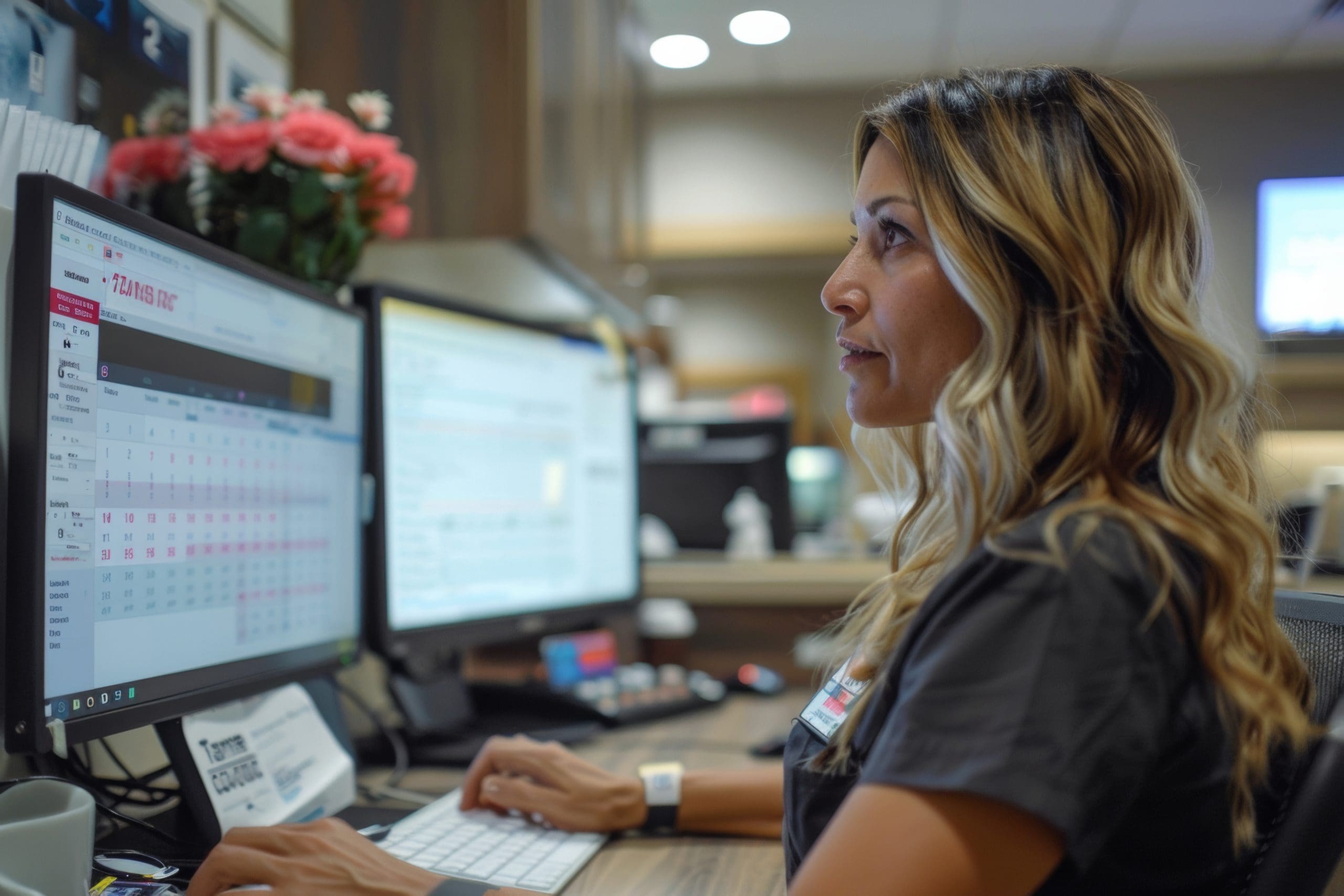
To start a career as a health care coordinator, you need the right mix of education, experience, and skills. Here’s what you need to qualify for your first health care coordinator job.
Education
Most health care coordinator jobs have educational requirements. At Sunrise Services, we sometimes hire health care coordinators with a high school diploma, but many employers prefer candidates with a bachelor’s degree in nursing, social work, health administration, public health, or a similar field.
Experience
Health care coordinator jobs usually aren’t entry-level positions, so you’ll probably need to spend some time in another care-related role first. You may want to get started as a nursing assistant, medical technician, financial clerk, or administrative assistant in a healthcare setting. Volunteering or internships at hospitals or clinics can also give you hands-on experience and help you build a network.
Key Skills
As a health care coordinator, you will need a strong understanding of how the healthcare system works, as well as good communication, problem-solving, and organization skills. You can develop these skills through your studies and on-the-job training.
Many jobs also require driving skills. For instance, Sunrise Services looks for health care coordinator candidates who have a Washington State Driver’s License and proof of insurance liability coverage.
Other Qualifications
Like other health workers, health care coordinators need to pass a background check. You can expect potential employers to ask for Washington State, DSHS, and FBI fingerprinting checks.
Additional certifications typically aren’t required, but they can make your resume more attractive to employers. Having a nursing or social worker license is often helpful. Depending on your healthcare background, you may also want to look into certifications such as:
- Becoming a Certified Medical Manager (CMM) through the Professional Association of Health Care Office Management (PAHCOM).
- Registered Health Information Administrator (RHIA) certification or another certification through the American Health Information Management Association (AHIMA).
- Nursing Home Administrator certification through the American College of Healthcare Administrators (ACHCA).
- Assisted Living Administrator certification through the American College of Healthcare Administrators.
Tips for Career Success as a Health Care Coordinator

Once you’ve started your career as a health care coordinator, focusing on growth and improvement can help you advance. Here are some tips to help you succeed:
1. Keep Learning
Keeping your knowledge up to date is crucial in the healthcare field. Consider the following ways to stay on top of your field:
- Attend Workshops, Webinars, and Seminars: These events can provide valuable insights into the latest trends and best practices in health care coordination.
- Subscribe to Industry Publications: Read journals, magazines, and newsletters that focus on healthcare coordination and management to stay informed about new standards, research, technologies, and best practices.
- Take Additional Courses: Enroll in courses related to healthcare management, patient care coordination, or specific health conditions.
- Join Online Forums and Discussion Groups: Participate in online forums and discussion groups related to healthcare coordination. These platforms can provide insights from other professionals and keep you updated on industry news.
- Follow Industry Leaders on Social Media: Follow thought leaders and organizations in the healthcare field on social media platforms like LinkedIn to get real-time updates and insights.
- Get Certified: Certifications like Certified Professional in Healthcare Quality (CPHQ) can make you stand out.
Continuing to learn not only enhances your skills but also opens up more job opportunities and the potential for higher pay.
2. Gain Specializations
Specializing in a specific area of health care coordination can make you more valuable to employers and help you provide better services for specific groups of people. Here’s how you can gain specializations.
- Focus on a Specific Patient Population: You might specialize in coordinating care for seniors, patients with chronic illnesses, or individuals with mental health needs.
- Learn About Specific Health Conditions: Gaining in-depth knowledge about conditions like diabetes, heart disease, or cancer can help you provide better care coordination.
- Develop Skills in Health IT: Understanding electronic health records (EHR) and other healthcare technologies can improve your efficiency and accuracy in coordinating care.
Specializing makes you a key resource for both your patients and your employer.
3. Improve Your Communication Skills
Effective communication is vital for a health care coordinator. You need to clearly share information with patients, families, and healthcare providers while being sensitive to their worldviews and emotions.
Speaking, active listening, and writing are always important, so if you think any of those are areas of weakness for you, you may want to take continuing education courses in those areas. Your patients and coworkers will appreciate your efforts in these areas.
Beyond those general skills, most health care coordinators can benefit from conflict resolution and cultural competency training. You may want to consider:
- Conflict Management Courses, Workshops, or Seminars: Make a point of learning about conflict resolution and negotiation. You can gain hands-on practice and interactive learning through many workshops, seminars, or simulation exercises organized by healthcare training programs. If you’d rather take a course, universities and online platforms like Coursera, Udemy, and LinkedIn Learning offer a variety of options.
- Cultural Competence Training: Participate in cultural competence workshops and training programs offered by healthcare organizations or online. These programs can help you understand the different cultures your patients may come from and how to effectively communicate within them.
- Cross-Cultural Experiences: If you are hoping to care for members of a particular community, engage with the community you want to serve. Volunteer with local organizations, attend community events, and build relationships with people from the community to gain firsthand experience and understanding.
- Language Learning: Learning a new language can also enhance your cultural competence and ability to communicate with diverse patient populations.
With strong communication, conflict resolution, and cultural competence skills, you will be able to build stronger relationships with patients and colleagues. Your skills will lead to better coordination and care outcomes.
4. Network with Other Professionals
Building a strong professional network is crucial for career growth. Networking can open up new opportunities, provide support, and offer insights into best practices. Here’s how you can effectively network:
- Join Professional Associations: Organizations like the American Association of Healthcare Administrative Management (AAHAM) or the National Association for Healthcare Quality (NAHQ) offer networking opportunities, resources, and industry updates.
- Attend Conferences and Events: Participate in healthcare conferences, seminars, and workshops. These events are excellent for meeting other professionals, learning about industry trends, and gaining new perspectives.
- Online Networking: Use platforms like LinkedIn to connect with other healthcare coordinators and professionals in your field. Join relevant groups, participate in discussions, and share your insights.
- Mentorship Programs: Find a mentor or become one. Mentorship programs can provide guidance, support, and valuable connections.
Networking helps you stay informed about industry developments and keep in touch with people who may be able to help you down the road. It can lead to career advancements and more effective collaborations.
Get Started As a Health Care Coordinator Today

Growing your career as a health care coordinator involves a combination of education, skill development, networking, and time in the community you plan to serve. By adopting an attitude of lifelong learning and specializing based on your community’s needs, you can advance in your career. Your efforts will also help patients get the best possible care for their health challenges.
At Sunrise Services, we are often on the lookout for compassionate health care coordinators to join our team in Western Washington. Our company culture emphasizes continual learning and growth. We typically look for candidates with at least a high school diploma and three years of relevant experience, although we welcome candidates with additional education and experience.
Check out our job openings to see how you can make a difference in many Western Washingtonians’ lives.
View Job Openings